



Dental implant treatment is a careful, step-by-step procedure to replace missing teeth. Each step is meticulously planned, taking into account criteria such as the patient’s overall health, oral structure, and the extent of tooth loss.
1. Evaluation and planning
The first step involves a comprehensive examination and treatment planning. The dentist analyzes the patient’s oral and general health, examining the jawbone structure, gums, and other factors. A detailed examination is performed using X-rays and, if necessary, CT scans. During this phase, the patient’s suitability for implant treatment is determined, and an individualized treatment plan is created.
2. Surgical procedure
Once the treatment plan is finalized and the patient is ready for surgery, the procedure is performed. The implantation area is locally anesthetized. The titanium implant is then inserted into the jawbone. This step is usually performed minimally invasively, with patient comfort during the procedure being the highest priority.
3. Osseointegration process
After the implant is placed, a healing phase is necessary to allow the bone to fuse with it. This process, known as osseointegration, takes an average of two to four months. Complete resorption of the implant by the jawbone is a crucial step for the success of the treatment.
4. Abutment and prosthesis placement
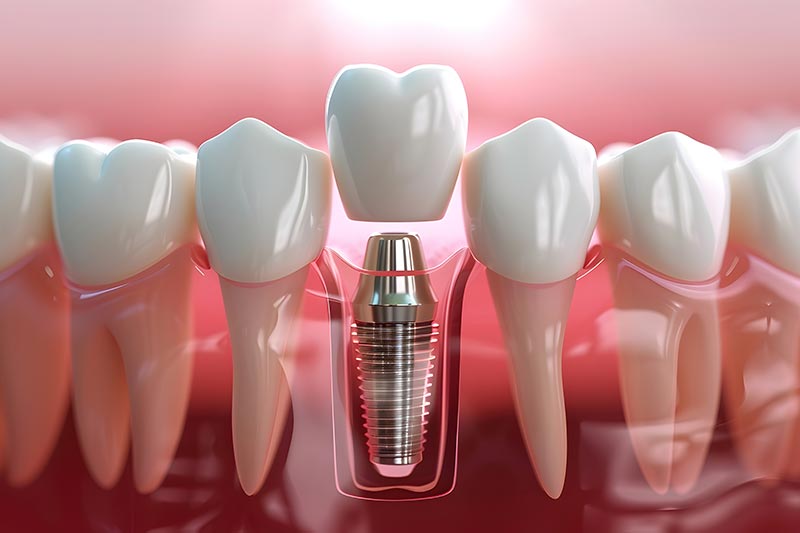
After complete healing (osseointegration), an abutment is placed on the implant. This abutment secures the prosthesis in the mouth. Finally, an aesthetically pleasing and functional prosthesis, individually adapted to the patient’s dentition, is inserted. The prosthesis is typically made of durable materials such as porcelain or zirconium oxide.
5. Final checks and follow-up
After treatment is completed, final checks are performed to verify the condition of the implant and the fit of the prosthesis. The patient receives instructions on how to care for and clean the implant. Regular follow-up appointments are scheduled by the dentist. These checkups are crucial for the long-term success of the implants.
Attention to every detail during implant treatment ensures satisfactory results – both aesthetic and functional. This is achieved through meticulous planning and experienced teams.
Implant insertion procedure: What steps does it include?
Placing dental implants is a complex procedure involving various carefully planned and executed steps. The treatment process includes both an assessment of the patient’s oral health and precise surgical interventions. The procedure typically includes the following steps:
- Diagnosis and treatment planning The first step involves a clinical and radiological examination of the patient’s teeth and jaw structure. This often requires a panoramic X-ray or a patient-specific three-dimensional computed tomography scan. The implantation procedure and method are then determined based on the results.
- Preparation phase If an existing tooth needs to be extracted, this is done before the implant is placed. If the bone density in the affected area is insufficient, bone grafting can also be performed. This ensures stable anchorage of the implant.
- Implantation During the surgical procedure, a cavity is created in the jawbone for the implant under appropriate anesthesia. The implant, a screw-shaped titanium implant, is then inserted into this cavity. Sterile conditions are essential during this phase.
- Osseointegration process After the implant is placed, the jawbone needs time to fuse with it. This period typically lasts three to six months. Successful fusion ensures the longevity of the implant.
- Prosthetic application A connecting piece, called an abutment, is attached to the implant and fuses with the jawbone. A prosthesis or crown, compatible with the patient’s natural teeth, is then fabricated and attached to this abutment.
Every step of the treatment requires the utmost precision and expertise. Furthermore, meticulous oral hygiene and adherence to the specialist’s instructions significantly increase the success of the treatment. Understanding the details of the implantation process helps minimize potential complications during the procedure.
The recovery process after dental implant treatment and points to consider
The healing process after dental implant treatment requires careful monitoring. Several important points must be observed to ensure complete healing of the implant site and to minimize the risk of complications.
Phases of the dental implant treatment recovery process
- First 24 hours: Bleeding and slight swelling are normal on the first day. To protect the area, it is recommended to avoid any contact with the implant area during this time.
- First Week: During this phase, in which swelling and pain gradually subside, it is important to take the medication prescribed by the doctor regularly..
- After one month: The healing process is largely complete, but it can take months for the implant to fully fuse with the bone. Regular check-ups with your doctor are important during this time.
Things you should pay attention to
- Nutrition:
- In the first few days after the operation, soft and easily chewable foods should be consumed.
It is necessary to avoid very hot or very cold foods, as these can increase sensitivity..
- Hygiene:
- Keeping the area clean reduces the risk of infection. The methods recommended by your dentist for brushing your teeth and maintaining oral hygiene should be followed.
- It is important not to excessively rub or traumatize the area around the implant..
- Physical activity:
- Strenuous physical activity should be avoided during the first week.
- Excessive exertion and stress should be avoided, as they can lead to complications in the implant area.
Further suggestions
Cigarette and alcohol consumption: Smoking and alcohol consumption should be avoided, especially at the beginning of the healing process. These substances can slow down the healing process and increase the risk of infection.
For a healthy healing process, it is essential to fully follow the doctor’s recommendations, attend regular check-ups, and take the necessary hygiene measures.
Materials and technologies used in dental implant treatments
The materials and technologies used in dental implants are crucial factors in determining the suitability of the treatment. These materials are carefully selected to meet the patient’s biological needs and ensure the implant’s longevity. At the same time, technological innovations optimize the treatment process and lead to more effective results.
Materials used in dental implant treatments
Certain materials are preferred for dental implants. These materials are carefully selected for biocompatibility and durability:
- Titanium: It is currently the most commonly used material for dental implants. Its high biocompatibility, light weight, and durability ensure a strong bond with the bone tissue. Titanium implants are wear-resistant and corrosion-resistant.
- Zirconium: Zirconia implants have become increasingly popular in recent years as a metal-free alternative. Besides their aesthetic appeal and white color, they also offer advantages in terms of biocompatibility and durability. They represent an effective alternative for patients with metal allergies.
Advanced technologies and applications
Neue Technologien, die bei Zahnimplantationen eingesetzt werden, zielen darauf ab, die Präzision und Effizienz des Behandlungsprozesses zu erhöhen:
- Digital measurement and planning technologies: The implantation is planned in advance using 3D imaging techniques and digital models. These technologies increase success rates by minimizing surgical errors.
- CAD/CAM Design: A computer-aided design and manufacturing system enables the customized production of implants or prostheses. This method accelerates the treatment process and delivers precise results.
- Surface coatings: Modern coating processes applied to the implant surface accelerate the integration of bone tissue into the implant. Special coating techniques contribute to the implant’s longevity.
- Robotic surgery: Robot-assisted surgical systems offer surgeons significant advantages in terms of precision and safety. This is particularly important for reducing the risk of complications.
The combination of materials and technologies in dental implant treatment offers patients a more comfortable and longer-lasting treatment. Furthermore, these innovations represent a significant advancement for the future of dentistry.
Related Posts

04/07/2026
Skin Rejuvenation and Laser Hair Removal Options
Modern aesthetic treatments, thanks to non-surgical aesthetic techniques, make it possible to preserve the youthful…

28/06/2026
Botox and Lip Filler Guide
In this blog post, we will examine modern aesthetic treatment options, the benefits of Botox…

26/06/2026
Advantages of Side, Antalya in health tourism
The Side region offers significant advantages for health tourism, combining modern health-care infrastructure with its…

21/06/2026
Antalya Side Beauty Center: Modern aesthetics and individual care
Antalya Side has become one of Turkey's leading destinations for aesthetic treatments. The beauty clinics…