



Aesthetics and health: Surgical procedures for skin rejuvenation
Skin tightening and rejuvenation are essential components of modern aesthetic surgery. The goal is to correct age-related skin changes and give patients a more youthful appearance. These methods not only address aesthetic concerns but can also improve skin health. Different surgical techniques are used depending on the individual needs and desired results.
Facelift
A facelift is a surgical procedure to tighten facial and neck tissue. This sagging typically occurs as a natural consequence of the aging process and is due to factors such as decreased skin elasticity, muscle weakness, and the displacement of fat tissue. During the procedure, the skin is adjusted to the facial bones, and excess skin is removed. There are various facelift techniques, including the full facelift, the partial facelift, and the neck lift. The chosen technique depends on the individual needs and expectations of the patient.
Potential benefits of a skin tightening procedure include more defined facial contours, a more youthful appearance, and increased skin elasticity. Like any surgical procedure, a skin tightening procedure carries risks. These include bleeding, infection, nerve damage, and numbness of the skin. Therefore, it is important to have a thorough consultation with an experienced plastic surgeon before undergoing such a procedure and to understand the potential risks and benefits.
Eyelid lift (blepharoplasty)
Eyelid surgery (blepharoplasty) is a procedure to remove excess skin and fat deposits from the upper and lower eyelids. This reduces wrinkles around the eyes and creates a fresher appearance. Sagging eyelids, especially those caused by age, can make the eyes look tired. Blepharoplasty corrects this, giving patients a younger and more dynamic look.
Blepharoplasty typically involves removing excess skin and reshaping the fatty tissue. Swelling and bruising may occur after the procedure, but these usually subside within a few days. Eyelid surgery results in a significant aesthetic improvement and can, in some cases, also improve vision.
Botox and dermal fillers
Hyaluronic acid fillers and botox are non-surgical methods for skin rejuvenation. Botox reduces wrinkles by inhibiting excessive muscle activity. It is used particularly to treat expression lines (especially on the forehead, around the eyes, and at the corners of the mouth). Hyaluronic acid fillers, on the other hand, are injected under the skin to give it more fullness and volume. This makes facial features more defined and improves skin elasticity.
Botox and dermal fillers can effectively reduce fine lines and wrinkles. However, the results of these methods are temporary, typically lasting 6 to 18 months. Therefore, they may need to be repeated regularly. These methods are less risky than surgical procedures and allow for shorter recovery times.
Skin rejuvenation techniques
Skin rejuvenation techniques renew the skin’s surface, resulting in a smoother and more youthful appearance. These methods include laser treatments, chemical peels, and dermal ablation. Laser treatments target damaged cells on the skin’s surface and stimulate collagen production. Chemical peels remove dead skin cells with a chemical solution applied to the skin. Dermal ablation renews skin tissue by removing thin layers of tissue from the skin’s surface.
These techniques can effectively reduce fine lines, wrinkles, blemishes, and acne scars. However, not every technique is suitable for every skin type, and redness and peeling may occur after treatment.
The choice of the appropriate method for a skin tightening and rejuvenation procedure should be made by a plastic surgeon, taking into account the individual needs, skin type, and expectations of the patient. An experienced surgeon will carefully assess the patient’s facial features and determine the optimal treatment plan.
The process of a facelift: preparation, procedure and recovery phase
A facelift is a cosmetic procedure that aims to reduce the signs of aging on the face and neck. Over time, the skin loses elasticity, wrinkles deepen, and facial contours can sag. This procedure can correct these changes and give patients a younger, fresher appearance. However, like any surgical procedure, a facelift requires careful planning and execution. This section details the preparation, procedure, and recovery phases of a facelift.
Preparation phase: Laying the foundation for success
The preparation phase before a facelift is crucial. It helps the surgeon to perform the operation safely and has a positive impact on the patient’s recovery process.
1. Physical examination: A comprehensive physical examination and laboratory tests are performed to assess the patient’s overall health and suitability for surgery. Conditions such as heart disease, diabetes, and blood clotting disorders can increase the surgical risks.
2. Lifestyle changes: Smoking can impair blood circulation, delay the healing process, and increase the risk of complications. Therefore, it is strongly recommended to quit smoking before surgery. Furthermore, a healthy and balanced diet is important for preparing for surgery.
3. Medication intake: The surgeon will ask about all medications the patient is taking (prescription and over-the-counter). Some medications, such as blood thinners, may need to be discontinued before surgery.
4. Skin care: The surgeon will give you detailed skin care instructions before the operation. These instructions usually include the use of products to remove toxins from the skin and to prepare the surgical area.
Application phase: Surgical procedures and techniques
A facelift can be performed using various techniques, depending on the individual needs and expectations of the patient. The most common methods are:
1. Circular/Facelift: This technique involves making circular incisions around the face to lift and reposition skin and tissue.
2. Long facelift: This method allows for a greater tightening of the skin, especially in patients with a more pronounced neck area.
3. Semicircular facelift: This technique, which is particularly suitable for patients who require a less pronounced facelift, is performed with smaller incisions.
During the procedure, the skin layers are restructured, tightened, and excess skin is removed if necessary. Additionally, the underlying muscles and tissues are tightened as needed. The surgeon can combine these techniques to improve the patient’s facial features and achieve a more youthful appearance.
Recovery phase: A gradual transformation
The postoperative recovery process depends on the patient’s general health, the surgical technique used, and the individual recovery rate.
1. The first few days: The first few days after surgery are usually characterized by swelling, bruising, and pain. During this time, patients take the pain medication prescribed by their doctor and try to reduce swelling by elevating their head.
2. First week: During the first week, a compression bandage is applied and the wound is treated. Pain and discomfort subside, but slight swelling and bruising may persist.
3. First month: The scarring on the skin begins to fade during the first month. The patient can gradually return to their daily activities but should avoid strenuous physical activity and activities that put pressure on the face.
4. In the long term: The healing process can take several months. The skin will develop a more pronounced appearance over time, and the final result will be visible after a few months.
A facelift can offer patients significant aesthetic benefits. However, it is important to know that this procedure carries risks and potential complications. Therefore, it is essential that patients have a thorough consultation with an experienced plastic surgeon before the operation and learn about the possible results.
Related Posts
09/08/2026
What are dental implants in Antalya? Basic concepts
Dental implants are a treatment method in which a titanium screw is inserted into the…
06/08/2026
Cosmetic Surgery: A Comprehensive Guide
Augmentation is a collective term for aesthetic procedures performed to compensate for volume loss in…
26/07/2026
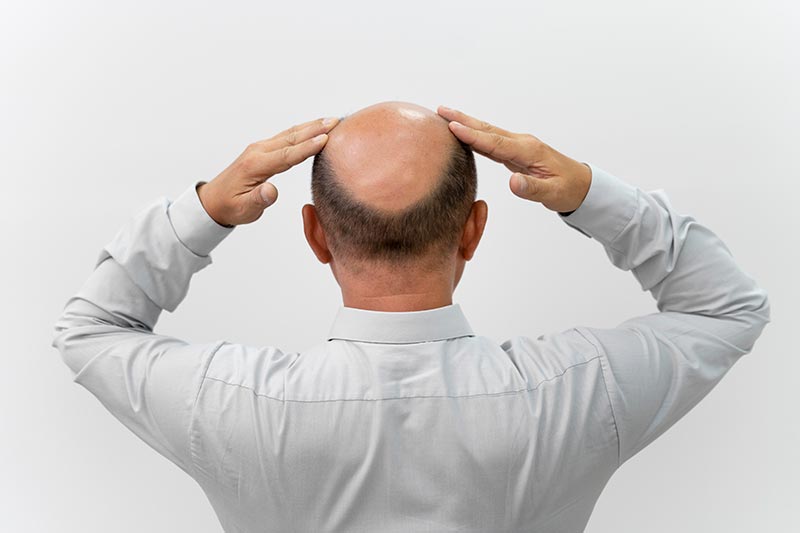
What is a hair transplant? Hair transplant treatment in Side, Manavgat: Modern solutions and application methods
Many people with hair loss are looking for a permanent solution. In a hair transplant,…
23/07/2026
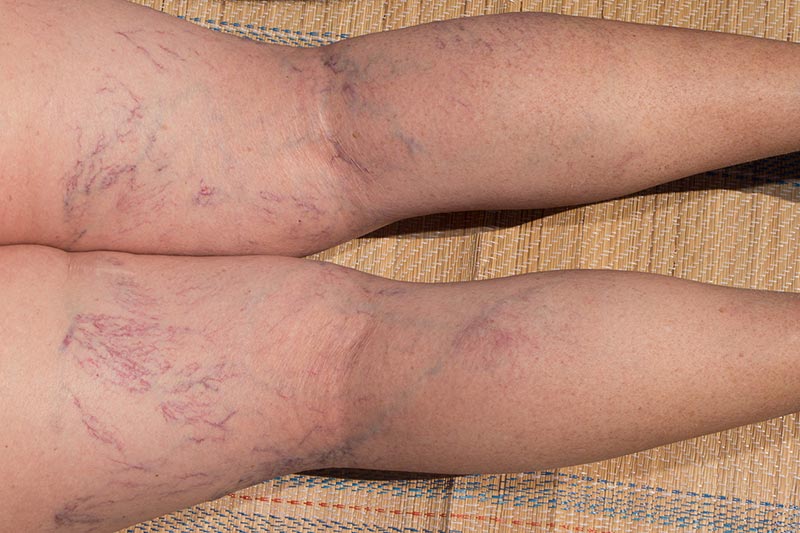
What are varicose veins? Treatment options and modern therapies in Antalya
Varicose veins are a common venous disorder caused by the dilation and twisting of veins…