



Eyelid lift surgery is a surgical procedure to improve aesthetic appearance. It typically involves removing excess skin, fat deposits, and sometimes muscle tissue in the eyelid area. These changes are often due to aging, loss of skin elasticity, or genetic factors. The main goal of the surgery is to correct a tired and sad facial expression and give a younger, more refreshed look. This section provides basic information about eyelid surgery and explains the reasons for this procedure in detail.
What is an eyelid lift Surgery?
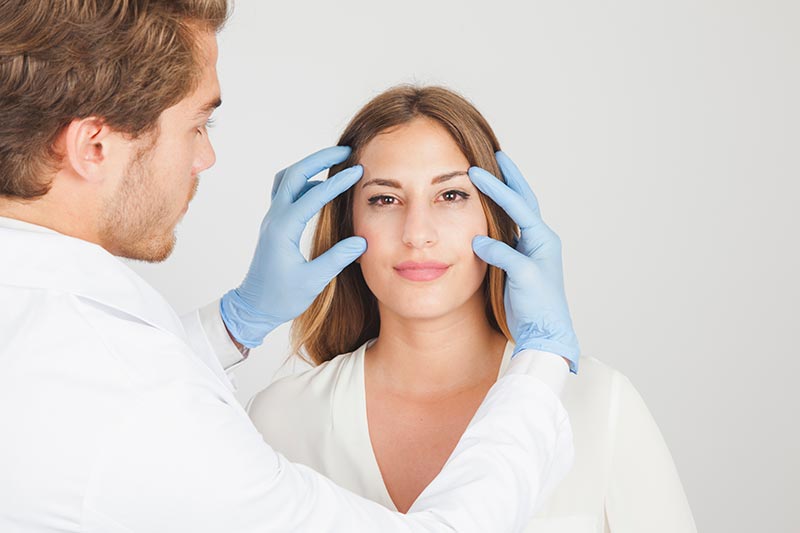
Eyelid lift surgery, medically known as blepharoplasty, is a surgical procedure performed on the upper and/or lower eyelids. Excess skin and fatty tissue in the upper eyelid area are removed. Wrinkles and lines around the eyelid can also be reduced. In some cases, the eyelid muscles can also be tightened.
Types of eyelid lift Surgery
Eyelid surgery can be performed in different ways depending on regional conditions and the patient’s expectations:
- Upper eyelid lift (blepharoplasty): The aim of the treatment is usually to remove excess skin and bags under the eyes. This makes the eyes appear brighter and more vibrant.
- Lower eyelid lift: This procedure treats wrinkles, sagging skin, and loss of volume in the lower eyelid. It reduces signs of aging around the eyes.
- Eyelid tightening: The aim is to strengthen the eyelid muscles and ensure smoother closing of the eyelids.
Reasons for eyelid lift surgery
Eyelid surgery is usually performed for aesthetic reasons, but there can also be medical reasons.
- Aging: As we age, the skin loses elasticity, leading to sagging around the eyelids. This can create a tired and aged appearance.
- Genetic factors: In some people, due to genetic predisposition, the eyelid skin may sag at a young age.
- Diet and lifestyle: Factors such as unhealthy diet, smoking, and exposure to harmful sun rays can reduce skin elasticity and contribute to sagging eyelids.
- Medical conditions: In rare cases, certain diseases or medications can cause skin changes that necessitate eyelid surgery.
Advantages of the operation:
- A younger and more rested appearance
- Reduction of wrinkles around the eyes
- Eyes that appear more expressive and lively
Increased self-confidence
Who is an eyelid lift surgery suitable for?
In general, individuals with a healthy and balanced lifestyle who have lost skin elasticity and exhibit excess skin or bags under the eyelids can benefit from this procedure. However, a thorough examination prior to the procedure is essential to determine the patient’s overall health and expectations.
Pre- and post-treatment process
Several examinations and a detailed consultation with the doctor are required before the operation. Swelling and bruising may occur after the procedure. Aftercare and recovery should follow the doctor’s recommendations.
How is an eyelid lift surgery performed? Procedure and technical details
Eyelid surgery, often called blepharoplasty, is a surgical procedure to correct wrinkles, sagging, and excess skin around the eyes. It can help patients achieve a younger and more refreshed appearance. Eyelid surgery encompasses various techniques that can be applied to both the upper and lower eyelids. For the surgery to be successful, it is crucial that the surgeon has extensive knowledge and experience.
Preparation for processing
Before the operation, the patient’s general health is assessed and the necessary examinations are carried out. These usually include blood tests, a physical examination, and, if necessary, imaging procedures. The patient should inform their doctor about all medications they are taking before the operation. Smokers are advised to quit smoking before the operation, as smoking can impair the healing process. On the day of the operation, the patient usually needs to fast and will be examined by the anesthesiologist.
Anesthesia
Eyelid surgery is usually performed under local anesthesia. Only the area to be operated on is numbed, and the patient remains conscious during the procedure. In some cases, a sedative may be administered to increase patient comfort. However, this is not always advisable and is decided after a medical examination. In rare cases, general anesthesia may be necessary.
Processing techniques
The basic techniques used in eyelid lift surgery differ for the upper and lower eyelids.
Upper eyelid lift (blepharoplasty)
The desired result of an upper eyelid lift is the reduction of wrinkles between the eyebrows and a more youthful appearance of the eye area. The procedure typically includes the following steps:
- Marking: The surgeon marks the excess skin tissue on the skin.
- Incision: An incision is made in the marked area. This usually follows a natural skin crease to minimize scarring after healing.
- Separation of skin and cartilage: Excess skin and, if necessary, cartilage tissue are separated from the underlying muscle mass.
- Sutures: The skin tissue is fixed in its new position with sutures. The sutures are usually made of thin, fast-healing material.
Lower eyelid lift (blepharoplasty)
Lower eyelid surgery is performed to correct the appearance of under-eye bags and eliminate sagging of the lower eyelids. This procedure typically includes the following steps:
- Incision: An incision is made on the inside of the eyelid or in the skin under the eye. The incision pattern can vary depending on the patient’s skin type and the surgeon’s preferences.
- Removal of fat deposits: Excess fatty tissue is removed or redistributed.
- Muscle correction: The lower eyelid muscles are corrected if necessary.
- Skin smoothing: Excess skin or wrinkles are removed and the skin surface is smoothed.
- Sewing: The incisions are closed with stitches.
Recovery process
The healing process after surgery can vary from person to person. Swelling and bruising may occur in the first few days after the procedure. These usually subside within a few weeks. Patients receive instructions, particularly not to touch the operated area, to apply cold compresses, and to take the medications prescribed by the doctor regularly. The sutures are usually removed after 7–10 days. It is recommended to clean the eye area with an iodine solution throughout the healing process.
Aftercare and recovery process: Important aspects
The recovery process after eyelid surgery is crucial for the patient’s overall health and the success of the operation. This phase typically lasts several weeks and involves various steps that the patient must follow carefully. Patients must strictly adhere to the instructions of their doctor and treatment team.
Immediately afterwards (First 24-48 hours):
It is important that the patient rests and relaxes immediately after the operation. Pain and swelling are normal and can be treated with pain medication prescribed by the doctor. Applying a cold compress to the eye area can help reduce swelling. It is important not to rub the eyes for the first 48 hours to keep the incisions clean and promote wound healing. The patient should keep their eyes closed as much as possible and lie down as much as they can.
First week:
During this process, redness, swelling, and mild pain around the eyes may persist. Antibiotic eye drops should be used as directed by a doctor. Thorough washing and keeping the eyes clean is important. Strenuous physical activity and activities that strain the eyes should be avoided. Also, avoid pressure points on the face and around the eyes (e.g., from tight clothing) to aid the healing process.
Week Two – Week Four:
Swelling and bruising usually subside during this period. However, sensitivity around the eyes may persist. Nonsteroidal anti-inflammatory drugs (NSAIDs), prescribed by your doctor, can help relieve pain and inflammation. Light daily activities can be resumed during this time. However, activities that strain the eyes (such as heavy lifting, prolonged reading, or working at a computer) should be performed with caution.
Aspects to consider during the recovery process:
- Eye drops: It is important to use the eye drops prescribed by your doctor regularly. These drops reduce the risk of infection and support wound healing.
- Cleansing: Gently cleansing the eye area helps prevent infections. Use cleansing solutions recommended by a doctor or nurse.
- Sun protection: In the postoperative phase, the eyes are more sensitive to sunlight. It is important to wear a wide-brimmed hat or sunglasses on sunny days.
- Rest: Sufficient sleep and stress reduction accelerate the healing process.
- Follow-up care with your doctor: It is important to attend your scheduled doctor’s appointments regularly and to contact your doctor immediately if you have any problems or concerns.
- Scarring: Scars fade over time. In some cases, however, they can become permanent. Creams or treatments recommended by a doctor can improve the appearance of scars.
- Nutrition: A healthy and balanced diet supports the body’s healing processes. The consumption of foods rich in vitamins and minerals is particularly important.
Related Posts
02/03/2026
Antalya hair transplant guide
Are you trying to hide your hair loss with a hat instead of enjoying the…
17/02/2026
Varicose veins treatment in Side
Varicose Veins Treatment procedure in Side: Non-surgical, without incisions and quick. The biggest concern for…

01/02/2026
Rhinoplasty in Side and Manavgat
The nose, centrally located on the face and defining our expression, is the most fundamental…
19/01/2026
Lateral eyelid lift in Side
The relentless march of time unfortunately leaves its mark most noticeably on the most sensitive…