




Varicose vein symptoms: Signs and symptoms that help with diagnosis
Varicose veins usually begin with a visible change, but those affected often only notice this. This section systematically explains the most common signs and symptoms of varicose veins to enable early diagnosis and appropriate advice.
The external manifestation of the cycle
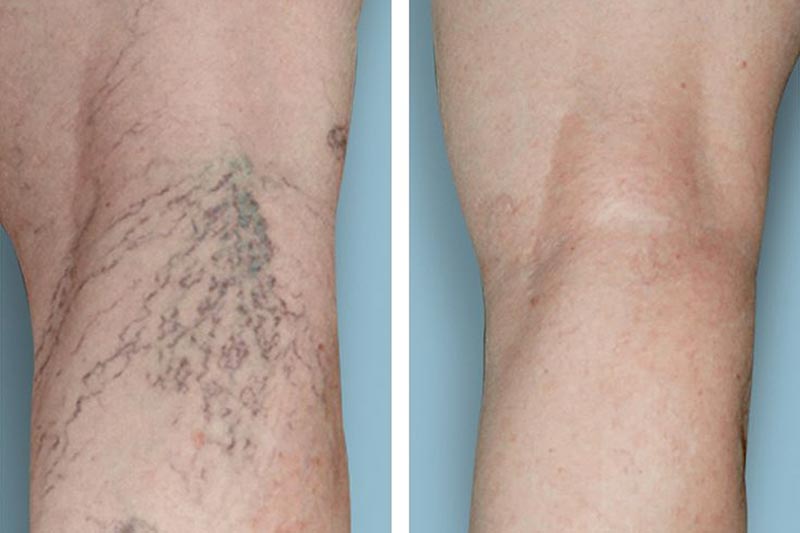
- Blue, prominent veins: Particularly noticeable on the front and sides of the legs. Due to their light-absorbing and light-reflecting properties, the veins have a blue-violet hue.
- Thickening of the blood vessel wall: During a medical examination, the veins appear superficially raised and hardened.
This outward appearance is the most obvious sign of varicose veins; however, most people consider it merely a cosmetic problem. In fact, the underlying circulatory disorder can pose more serious health risks.
Pain and discomfort
- Heaviness in the ankles and calves: When standing for long periods, the legs tire and a “heavy” feeling develops.
- Cramps and burning: Especially in the evenings, pain can occur that feels like a narrowing of the blood vessels.
- Nighttime leg cramps: Involuntary muscle contractions in the legs during sleep are common in patients with varicose veins.
These symptoms result from the veins’ inability to effectively pump blood back; therefore, blood pooling in the legs also affects the nerve endings.
Swelling and edema
- Swelling (edema) around the ankle: This manifests as slight swelling of the ankle, especially in the morning, due to increased fluid retention throughout the day.
- Swelling (edema) around the ankle: This manifests as slight swelling of the ankle, especially in the morning, due to increased fluid retention throughout the day.
Edema is a sign of impaired blood vessel wall function and sodium-water retention; this can restrict a patient’s daily activities.
Skin changes
- Itching and dryness: The skin near the blood vessels can become dry and itchy due to reduced blood flow.
- Redness and dermatitis: Mild redness and inflammation of the skin are common in areas with varicose veins.
Color changes that may indicate a risk of deep vein thrombosis (DVT): Dark purple discoloration, crusting of the skin, and pain can be signs of possible thrombus formation.
These skin findings suggest that this is not just an aesthetic problem, but also carries a high risk of complications.
A common symptom: fatigue
- General fatigue: Patients with varicose veins report severe exhaustion, especially after long walks. This is due to insufficient oxygen supply to the muscles and directly impairs their quality of life.
This feeling of fatigue can sometimes be interpreted as a symptom of other cardiovascular problems; therefore, a medical examination is necessary.
“The symptoms of varicose veins are not limited to appearance; pain, swelling, and skin changes can significantly impair a patient’s quality of life.” – Opinion of a vascular specialist.
Points to consider during the diagnostic process
- Duration and severity of symptoms: The duration of symptoms provides information about the stage of disease development.
- Triggers of the symptoms: Factors such as prolonged standing, hot weather, or weight gain can worsen the symptoms.
- Presence of complications: Skin discoloration, severe pain, or sudden swelling may require urgent medical treatment.
Based on these criteria, the doctor can optimally advise the patient and, if necessary, order additional imaging procedures (Doppler ultrasound).
Practical tips
- Elevating your legs throughout the day helps to reduce swelling.
- Avoiding tight shoes and wearing comfortable, supportive socks helps to reduce pressure on the veins.
- Short walks and light physical activity improve blood circulation and help to alleviate symptoms.
These suggestions help control the severity of symptoms, but do not delay a doctor’s appointment.
The symptoms of varicose veins extend beyond visible findings and include a variety of complaints such as pain, swelling, skin changes, and fatigue. Early detection of these signs can reduce the risk of further complications and allow for timely treatment. The following sections discuss the genetic, lifestyle, and health factors that influence the occurrence of these symptoms.
Common causes of varicose veins: genetics, lifestyle and health factors
The development of varicose veins cannot be reduced to a single cause; genetic predisposition, daily habits, and current health all play a crucial role. The occurrence of the symptoms mentioned in the previous section indicates the interplay of these factors. Let’s now examine more closely how these factors interact.
Genetic predisposition: A family history of varicose veins is the strongest risk factor. If parents, grandparents, or siblings have already suffered from varicose veins, the likelihood of weakened venous valves is increased. This means that a genetic predisposition can influence the elasticity of the vein wall and valve function. Genetic predisposition is considered an important indicator, especially for varicose veins that appear at a young age.
Lifestyle factors
- Prolonged standing: Teachers, retail workers, or healthcare workers who stand for long periods increase their risk of varicose veins due to increased venous pressure in the legs.
- Low physical activity: Regular light exercise such as walking and cycling promotes venous return in the muscles. A sedentary lifestyle leads to blood pooling in the legs and dilation of the veins.
- Excess weight: Additional weight puts strain on the legs and increases pressure on the blood vessel walls. This contributes to leaky venous valves.
- Smoking: Nicotine constricts blood vessel walls and impairs blood flow. Long-term smokers are among the risk factors for venous insufficiency.
These lifestyle factors, in combination with a genetic predisposition, can accelerate the development of varicose veins. For example, if a person with genetically weak venous valves also works long hours standing, the risk is even higher.
Health factors
- Hormonal changes: Menstruation, pregnancy, and menopause can relax blood vessel walls due to fluctuations in estrogen and progesterone levels. The increased blood volume during pregnancy and the compression of blood vessels by the uterus impede venous return and thus increase the risk of varicose veins.
- Chronic diseases: Conditions such as heart failure, diabetes, and chronic obstructive pulmonary disease (COPD) directly affect the circulatory system and lead to increased venous pressure.
- Medication use: Some hormonal contraceptives and corticosteroids can reduce the elasticity of blood vessel walls. Long-term use can promote the development of varicose veins.
These health factors are often linked to lifestyle; for example, a person with diabetes who also leads a sedentary lifestyle may have a doubled risk of developing varicose veins.
These health factors are often linked to lifestyle; for example, a person with diabetes who also leads a sedentary lifestyle may have a doubled risk of developing varicose veins
- Reviewing family history helps identify genetic risks and take precautions early.
- Regularly elevating your legs throughout the day promotes blood circulation.
- Strengthening the muscle pump through activities such as brisk walking for 30 minutes at least three times a week improves venous return.
- Healthy weight management reduces pressure on blood vessels by reducing fat accumulation, especially in the waist and hip area.
The interplay of genetics, lifestyle, and health factors influences the development of varicose veins. Understanding these factors allows at-risk patients to receive an early diagnosis and make lifestyle changes that can delay the development of varicose veins. The next section describes in detail how these risks can be assessed and explains diagnostic methods.
Diagnostic methods and risk assessment: Medical examinations and imaging procedures
When varicose veins are suspected, various clinical and imaging procedures are used to make an accurate diagnosis and assess the risk. The aim of this process is to clarify the patient’s symptoms and simultaneously prevent potential complications.
Clinical examination:
The first step is a detailed physical examination by a specialist in vascular surgery or dermatology. The doctor examines leg posture, skin color, and the appearance of the varicose veins, paying particular attention to signs of venous depressions and deep veins in the ankle area. Changes in the varicose veins are observed while sitting, standing, and in an elevated position. This observation provides important information about the degree of venous insufficiency and the chronicity of the varicose veins.
3. Duplex Doppler ultrasound provides both structural and functional data. Parameters such as vein wall thickness, vein diameter, and reflux time are displayed in detail. This information is crucial for selecting the appropriate treatment protocol.
4. Photoplethysmography (PPG) measures changes in blood volume using a sensor on the sole of the foot. PPG is particularly helpful in assessing venous valve function and measuring ankle venous pressure. One limitation of the method is that deep veins cannot be directly visualized; therefore, it is used in combination with other examinations.
5. Magnetic resonance venography (MRV) and computed tomography venography (CTV) are the preferred methods when an abnormality in the deep venous system is suspected. These techniques create three-dimensional venous maps that clearly illustrate the risk of complications. Particularly in cases of thrombus formation or dilated pelvic veins, these imaging procedures confirm the diagnosis. However, cost and radiation exposure (CTV) limit their use in routine examinations.
How to conduct a risk assessment?
- Precursor factors for complications
- Age: The risk of worsening venous insufficiency increases in people over 50 years of age.
- Family history: A genetic predisposition can accelerate the development of varicose veins.
- Overweight and lack of exercise: Increased intra-abdominal pressure impairs venous return.
- Pregnancy: Hormonal changes and increased blood volume temporarily reduce the function of the heart valves.
- Severity of symptoms
- Mild depression and fatigue are common; however, severe pain, skin ulcers (sores), and bleeding are considered risk factors. These symptoms may require intensive treatment.
- Comorbidities
- Diabetes, chronic venous insufficiency, and heart failure can trigger complications of varicose veins. The doctor will assess these conditions and tailor the treatment plan accordingly.
Frequency of doctor visits
- Initial diagnosis and assessment: A follow-up examination is planned 3–6 months after the diagnosis; this serves to monitor the success of the therapy
- Stable patients: If symptoms are under control, an annual check-up may be sufficient.
- High-risk patients: If one or more of the above-mentioned risk factors are present, a follow-up examination every 6 months is recommended.
Expert opinion: “Early detection of varicose veins is the most effective step in preventing deep vein thrombosis and skin ulcers that can develop later. The right combination of imaging techniques enables a reliable risk assessment.”
These steps are flexibly adapted to the individual situation and lifestyle of the patient. The completion of the diagnostic process forms the basis for the treatment options, which are explained in the following section.
Treatment options: Medical, surgical, and home methods
After being diagnosed with varicose veins, patients often ask: “How are they treated?” Treatment approaches can be divided into three main groups: drug therapies, surgical procedures, and supportive measures that can be used at home. Each option offers different benefits depending on the severity of the varicose veins, the patient’s lifestyle, and their overall health.
Medical treatments primarily aim to alleviate symptoms and improve the elasticity of blood vessel walls. Among the most commonly used drug classes are herbal extracts with vein-strengthening properties (e.g., horse chestnut) and preparations containing flavonoids. These substances reduce venous reflux by supporting the closure of blood vessel valves. Additionally, nonsteroidal anti-inflammatory drugs (NSAIDs) relieve pain and swelling. However, due to potential side effects on the stomach and kidneys with long-term use, medical monitoring is essential. It is important to note that the effectiveness of drug treatments is limited; more significant results are usually achieved in combination with surgical or tightening procedures.
Surgical interventions offer lasting relief because they directly eliminate the physiological cause of varicose veins.
Endovenous laser ablation (EVLA) and radiofrequency ablation (RFA) are minimally invasive procedures preferred in modern clinics. These methods deliver heat energy via a thin fiber or cathode to close the damaged vein; recovery time is typically only a few days. Traditional surgery, known as vein stripping, can still be used for larger and more complex varicose veins, but it is associated with a longer recovery time and a risk of scarring. Before the procedure, the patient’s blood clotting and cardiovascular status are examined; otherwise, the risk of complications increases.
Supportive measures that can be used at home improve the patient’s daily life and slow the progression of varicose veins. Compression stockings are among the most important of these measures. The compression pressure of the stockings should be adjusted to the severity of the patient’s varicose veins and selected in consultation with a doctor. Wearing them regularly reduces venous return, thus alleviating swelling and pain. Another option is leg elevation: When the feet are positioned 10–15 cm above heart level while sitting or lying down, the pressure in the veins is reduced.
Regular physical activity also plays a crucial role in the treatment of varicose veins. Gentle sports such as walking, cycling, or swimming strengthen the muscle pump and thus promote blood circulation. When creating an exercise program, excessive exertion should be avoided and breaks should be taken, especially after prolonged sitting or standing.
“No single method is sufficient to treat varicose veins; usually, a combination of medication, surgical procedures, and lifestyle changes achieves the best results.” – Expert opinion
Related Posts
09/08/2026
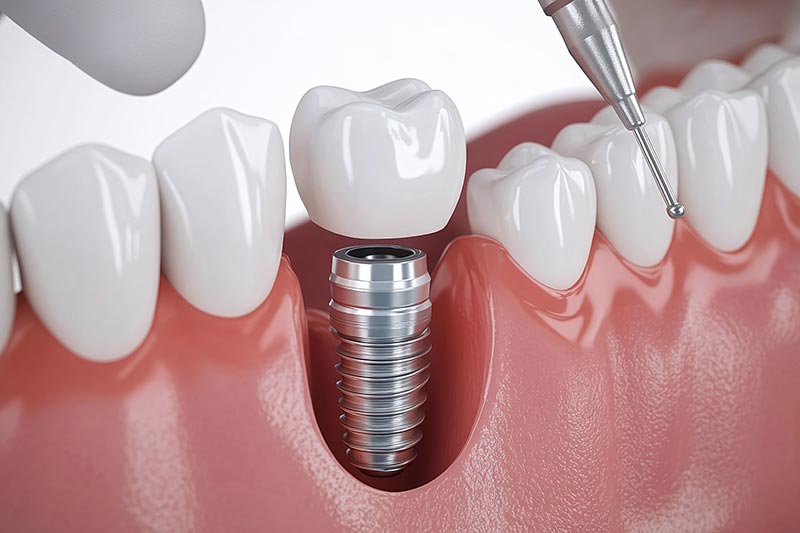
What are dental implants in Antalya? Basic concepts
Dental implants are a treatment method in which a titanium screw is inserted into the…
06/08/2026
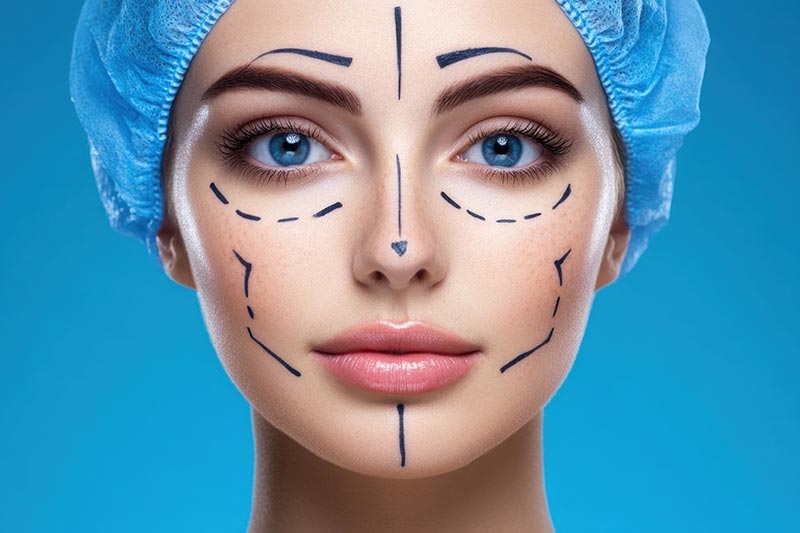
Cosmetic Surgery: A Comprehensive Guide
Augmentation is a collective term for aesthetic procedures performed to compensate for volume loss in…

26/07/2026
What is a hair transplant? Hair transplant treatment in Side, Manavgat: Modern solutions and application methods
Many people with hair loss are looking for a permanent solution. In a hair transplant,…
23/07/2026
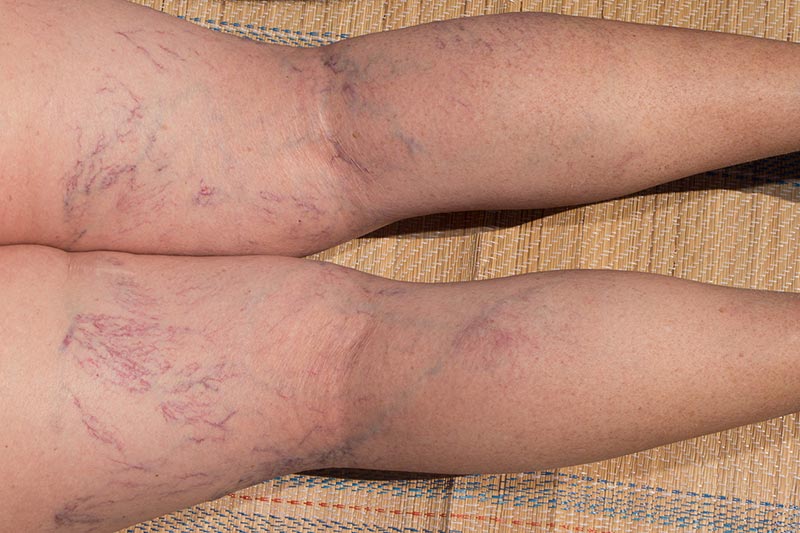
What are varicose veins? Treatment options and modern therapies in Antalya
Varicose veins are a common venous disorder caused by the dilation and twisting of veins…