




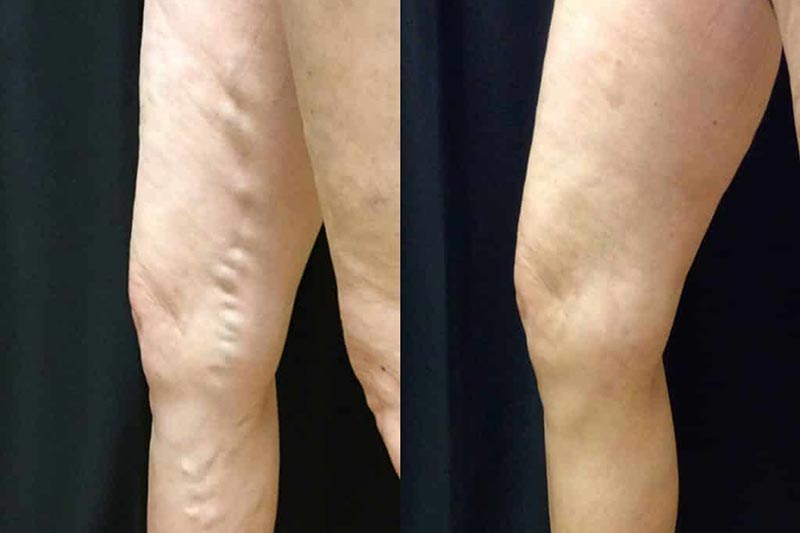
Severity of varicose veins:
In mild cases, medication and home remedies may be sufficient; in advanced cases, surgery is recommended.
- Medical history: Blood clotting disorders, diabetes, or heart disease may limit the applicability of certain surgical techniques.
- Lifestyle: Occupations that require prolonged standing or sitting increase the need for intensive compression therapy and regular exercise
- Expectations and costs: Modern techniques such as laser or radiofrequency therapy can be more expensive; the patient’s budget also plays a role in the decision-making process.
Practical step-by-step approach
- Medical assessment: After determining the extent of the varicose veins and the risk factors, a treatment plan is drawn up.
- Medical care: Suitable tonics and anti-inflammatory medications are prescribed, and side effects are monitored.
- Compression: The correct compression level of the socks is selected, and regular use becomes a habit.
- Surgical decision: Minimally invasive methods are planned when deemed necessary; postoperative instructions are carefully followed.
- Home care: Lifestyle changes such as elevating the legs, light exercise, and weight control are integrated into daily life.
This three-step approach alleviates the symptoms of varicose veins while simultaneously improving the long-term prognosis. The next section will discuss preventing the recurrence of varicose veins and sustainable strategies for everyday life.
Varicose vein prevention and treatment: Long-term care and lifestyle recommendations
After learning about treatment options, it’s important to create a long-term treatment plan to prevent varicose veins from recurring and to alleviate existing symptoms. During this phase, lifestyle changes, regular exercise, and a healthy diet all contribute to vascular health.
1. Exercise and sport
- Daily walks: A brisk walk of 30-45 minutes activates the leg muscles and improves venous return.
- Exercises to strengthen the leg muscles: Simple movements such as ankle rotations, balloon squeezing and supporting the valve function when climbing stairs
- Swimming and cycling: Gentle endurance sports improve blood circulation without putting strain on the legs.
When creating an exercise program, it is recommended to seek medical advice, especially in cases of severe pain or swelling. Regular exercise maintains the elasticity of blood vessels and reduces the risk of developing new varicose veins.
2. Foot and leg position
- Avoid prolonged standing: If necessary, sit on a stool and rest for 10-15 minutes to lower venous pressure.
- Elevate your legs slightly: Placing your feet on a cushion while sitting promotes blood flow back to the heart.
- Compression stockings: Stockings with the appropriate pressure level recommended by the doctor reduce swelling by applying gentle, outward pressure to the walls of the blood vessels.
These simple changes in position are an effective prevention strategy, especially for those who work long hours and those who work standing up.
3. Nutrition and weight control
- High-fiber foods: Whole grain products, legumes, fruits and vegetables regulate bowel movements and prevent an increase in venous pressure.
- Anti-inflammatory foods: Omega-3 fatty acids (fish, walnuts, flaxseeds) and polyphenols (green tea, blueberries) protect the health of blood vessel walls.
- Limit sodium intake: Excessive consumption of salty foods can lead to water retention and thus to swelling in the legs.
- Healthy weight: Reducing body weight by 5-10% reduces the mechanical stress on the legs and the pressure on the heart valves.
In addition to a balanced diet, limiting alcohol consumption also helps reduce the risk of varicose veins by preventing the dilation of blood vessels..
4. Cigarettes and alcohol
- Quit smoking: Nicotine constricts blood vessels, impedes blood flow and accelerates the development of varicose veins.
- Alcohol consumption: Excessive alcohol consumption can worsen the symptoms of varicose veins by dilating the blood vessels; limited consumption of 1-2 times per week is recommended.
5. Take care of your feet’s health
- Regular foot care: Dry skin can increase the risk of cracks and infections; using moisturizer and properly trimming nails are important.
- Footwear choice: Shoes with a medium heel, supportive insoles and that are not too tight help to balance the pressure on feet and legs and thus prevent the development of varicose veins.
Expert advice: “Choosing the right shoes is not just about comfort; the right support improves venous return in the legs and plays a crucial role in the long-term treatment of varicose veins.”
6. Stress management:
The stress hormone cortisol can lead to a narrowing of blood vessels and an increase in blood pressure. Meditation, breathing exercises, and sufficient sleep promote overall cardiovascular health.
7. Regular checks and monitoring
- Annual medical examination: The progression of varicose veins, newly occurring vascular changes and possible complications (e.g. skin ulcers) can be detected early.
- Ultrasound examination: Especially in the case of initial symptoms, visualizing the vascular structure helps in updating the treatment plan.
These measures help keep varicose veins under control and improve quality of life. The next section answers frequently asked questions and provides expert advice on varicose veins.
Related Posts
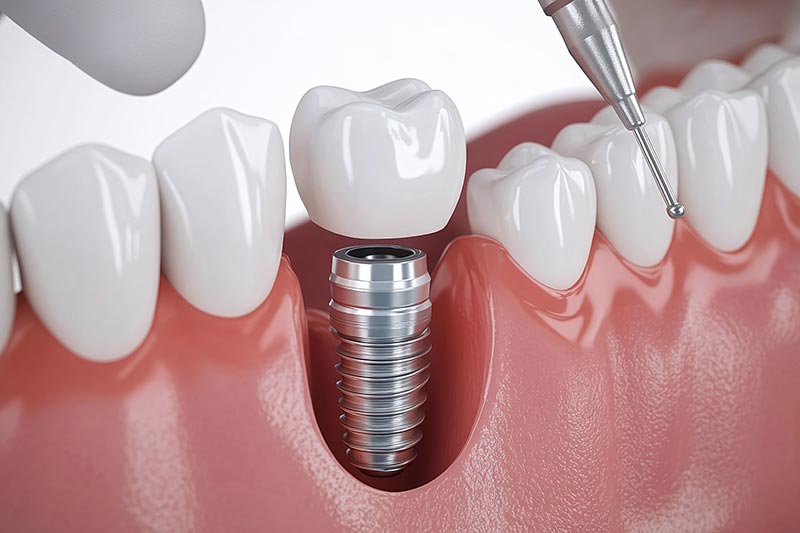
09/08/2026
What are dental implants in Antalya? Basic concepts
Dental implants are a treatment method in which a titanium screw is inserted into the…
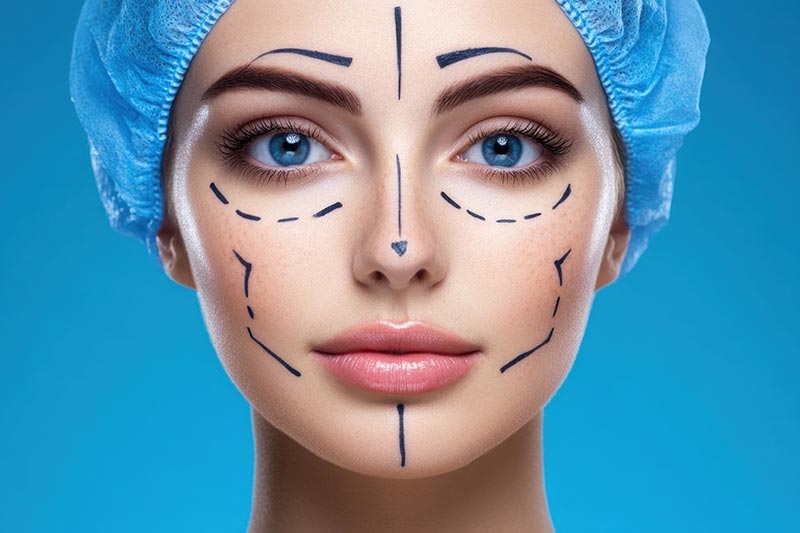
06/08/2026
Cosmetic Surgery: A Comprehensive Guide
Augmentation is a collective term for aesthetic procedures performed to compensate for volume loss in…
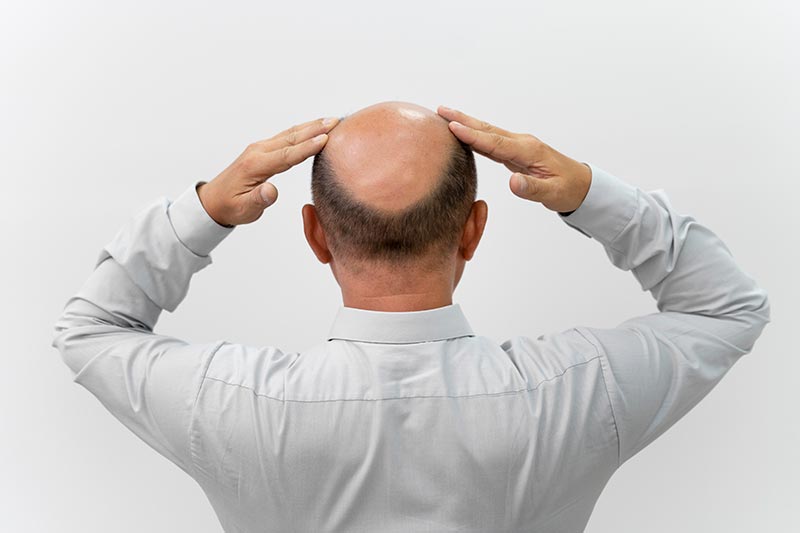
26/07/2026
What is a hair transplant? Hair transplant treatment in Side, Manavgat: Modern solutions and application methods
Many people with hair loss are looking for a permanent solution. In a hair transplant,…
23/07/2026
What are varicose veins? Treatment options and modern therapies in Antalya
Varicose veins are a common venous disorder caused by the dilation and twisting of veins…