




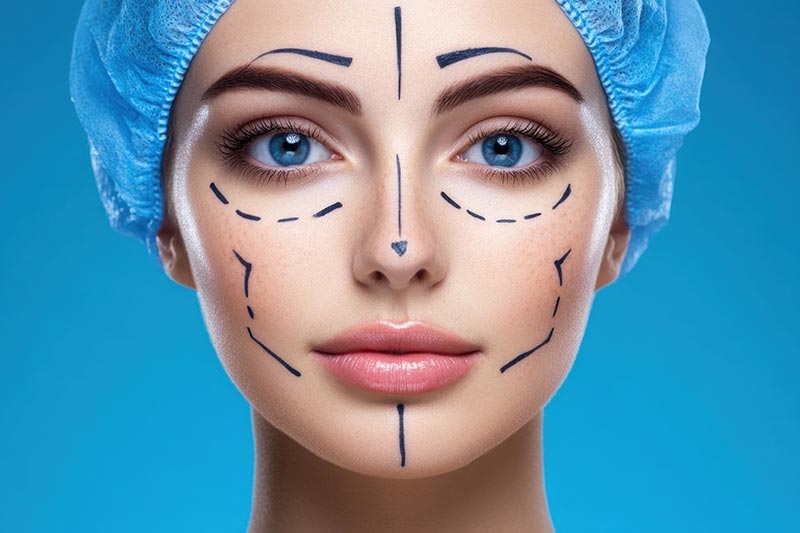
Cosmetic Surgery: A Comprehensive Guide to Augmentation Procedures and Beauty Surgery
Augmentation is a collective term for aesthetic procedures performed to compensate for volume loss in specific areas of the face and body, reduce wrinkles, and achieve a more youthful appearance. These procedures involve injecting fillers (hyaluronic acid, collagen stimulators, autologous fat, etc.) under the skin. The primary goal of augmentation is to create a natural-looking profile and boost self-confidence.
The variety of fillers expands their range of applications. Hyaluronic acid-based products are the most frequently used fillers. Thanks to their water-binding properties. They provide immediate volume and are broken down by the body within a few months. Collagen stimulators such as polylactic acid (PLA) achieve more lasting results by stimulating the body’s own collagen production. These substances are preferred for deep wrinkles and jawline contouring. Autologous fat transfer, on the other hand, offers a natural filler by injecting the body’s own fat in microscopically small particles into the treatment area. However, the procedure is more time-consuming, and the selection of the donor area is crucia.
Augmentation procedures
Augmentation procedures are not limited to aesthetic concerns; in some cases, they also serve functional purposes, such as correcting facial asymmetries, improving post-traumatic deformities, or mitigating the effects of aging. For example, filler injections in a patient with lip volume loss can not only improve appearance but also increase chewing and speaking comfort.
The scope of these treatments is individually tailored to the patient’s needs. A comprehensive examination involves a detailed analysis of skin thickness, elasticity, existing volume loss, and the patient’s aesthetic expectations. Based on this data, the physician determines the most suitable filler and injection depth to achieve a natural and harmonious result. The treatment plan typically includes several sessions. The first session leads to rapid improvement, while subsequent sessions can be repeated regularly to maintain the results long-term.
Breast Augmentation
The popularity of breast augmentation procedures is also related to their minimally invasive nature and short recovery time. Most procedures take only 30 to 45 minutes and are performed under local anesthesia. Patients can resume their normal activities on the same day. Temporary side effects such as mild swelling, redness, or bruising after the procedure are considered normal and usually subside on their own within a few days.
The safety of filler treatments depends on the quality control of the products used and the experience of the treating physician. Fillers approved by health authorities are standardized in terms of sterility and density, which reduces the risk of complications. However, as with any medical procedure, risks such as allergic reactions, infections, or undesirable asymmetries are possible. Therefore, it is crucial to take a thorough medical history and realistically assess the patient’s expectations before the procedure.
Flexible and customizable way
Augmentation procedures offer a flexible and customizable way to achieve aesthetic goals. The treatment area, the type of filler used, and the frequency of treatments are tailored to the patient’s anatomy and aesthetic desires. This individualizable approach explains why these procedures are frequently preferred in modern cosmetic surgery.
Readers encountering the topic of cosmetic surgery for the first time will, after understanding the basic concepts and scope of application, learn more about the functional principles of facial and body augmentation techniques in the following section. This will provide them with a detailed understanding of which techniques are best suited for which areas and what they can expect during the process.
How facial and body enlargement techniques work
Breast augmentation is based on rejuvenation and shape improvement through volume enhancement beneath the skin. This volume is typically achieved through collagen stimulation, autologous fat transfer, or the use of synthetic fillers. Each method influences the body’s response via a different mechanism, which determines the longevity and appearance of the result.
Collagen stimulation:
Collagen is one of the essential proteins responsible for skin elasticity and firmness. Devices such as microneedling, radiofrequency (RF) therapy, and lasers generate controlled heat or micro-injuries. This mild irritation activates fibroblasts and stimulates the production of new collagen. Slight redness and swelling may occur after treatment, which typically subside within 24–48 hours. The long-term effect is characterized by increased volume and improved skin firmness, which become visible within a few months.
In autologous fat transfer
Fat is harvested from another area of the body (usually the abdomen, thighs, or buttocks) and injected into the desired area using a fine needle. The longevity of the transferred fat depends on the survival rate of the transplanted cells. The highest success rate is achieved when the fat is injected in thin layers and under low pressure. Once the fat cells integrate into the bloodstream, they release free fatty acids and growth factors that support the surrounding tissue. Mild swelling and bruising may occur during the first week; these typically subside within two weeks.
Synthetic fillers (hyaluronic acid, calcium hydroxylapatite, etc.)
Hyaluronic acid-based (HA) fillers create volume by binding water and simultaneously supporting the skin’s moisture balance. Because HA molecules are naturally broken down by the body, their effects last between 6 and 18 months. More permanent substances like calcium hydroxylapatite provide longer-lasting volume by stimulating collagen production. The viscosity and consistency of the substances are individually tailored to the treatment area, allowing for the fulfillment of diverse needs – from fine lines to pronounced contours.
Common working principles about Cosmetic Surgery
- Targeted approach: While volume is added selectively to the face, e.g., on the cheeks, under the eyes and on the lips, a broader volume distribution is preferred in body areas such as the cheeks, arms and hips.
- Layered application: Particularly in fat transplantation, the fat is distributed in the subcutaneous and submuscular layers to support cell survival.
- Microenvironmental management: The tissue surrounding the injected material regulates inflammation and the healing process. Therefore, creating a natural profile instead of overfilling increases long-term satisfaction.
The choice cosmetic surgery and augmentation techniques is made taking into account the patient’s anatomy, expectations, and medical history. For example, gentle collagen stimulation may be preferred for younger patients, while older patients who desire more pronounced volume may benefit from autologous fat transfer or long-lasting, permanent fillers. The choice of the right method thus influences both the longevity of the result and the risk of complications.
Points to consider when applying
- Points to consider when applying.
- Skin thickness and elasticity play a crucial role in the choice of filler material; low-viscosity substances should be preferred for thin skin.
- The injection depth varies depending on the treatment area; more superficial injections are required in sensitive areas such as under the eyes, while deeper injections are necessary in areas such as the cheeks and chin.
These principles will also shape the individual assessment criteria and, in the following section, answer the question of how a patient’s suitability for breast augmentation is determined.
Identification and evaluation of the most suitable candidates for plumbing installation
Before breast augmentation, it is essential to accurately determine the suitability of candidates. Selecting appropriate candidates ensures realistic aesthetic goals while minimizing the risk of complications. Therefore, the evaluation process is based on three main criteria: medical suitability, anatomy, and managing expectations.
Medical suitability: The first step involves assessing the patient’s overall health. Chronic illnesses (such as diabetes or autoimmune diseases) or the use of blood-thinning medications can increase the side effects of implants. Previous cosmetic procedures and any known allergies should also be taken into account. It is standard practice for the physician to obtain a complete medical history and, if necessary, order laboratory tests. This helps to create a profile of a candidate with a low risk of complications.
Anatomy and tissue quality: The skin, subcutaneous tissue, and muscle structure of the treatment area significantly influence the success of the augmentation. Thin, inelastic skin can cause the injected filler to spread quickly, thus preventing the desired long-term effect. In contrast, skin of medium thickness and good elasticity allows for better fixation of the filler. The physician assesses these anatomical characteristics through a physical examination and, if necessary, through photographic analysis.
Expectation management and psychological preparation: The patient’s aesthetic expectations are crucial for satisfaction with the treatment outcome. Unrealistic goals increase the risk of dissatisfaction. Therefore, the consultation clarifies the patient’s concept of an “ideal” appearance and explains existing anatomical conditions. For example, deep facial wrinkles or enlarged cheek areas may not be completely eliminated with a single filler treatment; several sessions or a combination of different techniques may be necessary. Since patients who are not psychologically prepared are more likely to experience disappointment after treatment, the doctor also takes this into account.
Related Posts
09/08/2026
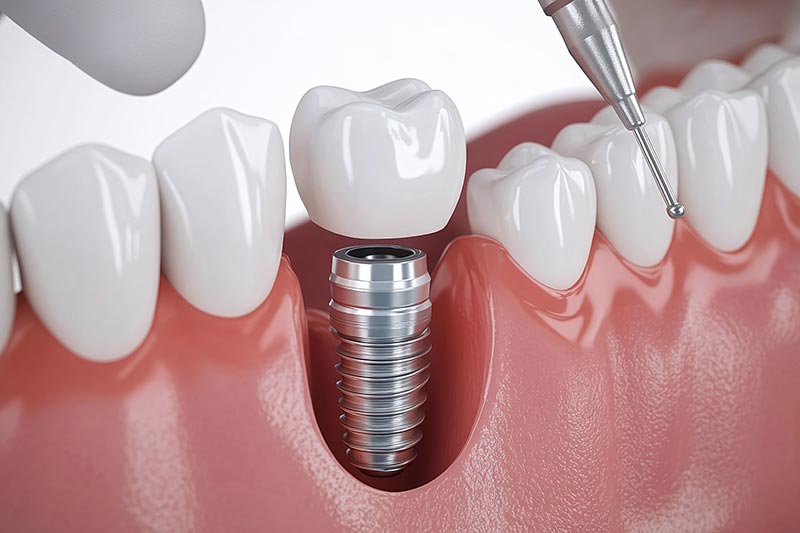
What are dental implants in Antalya? Basic concepts
Dental implants are a treatment method in which a titanium screw is inserted into the…
26/07/2026
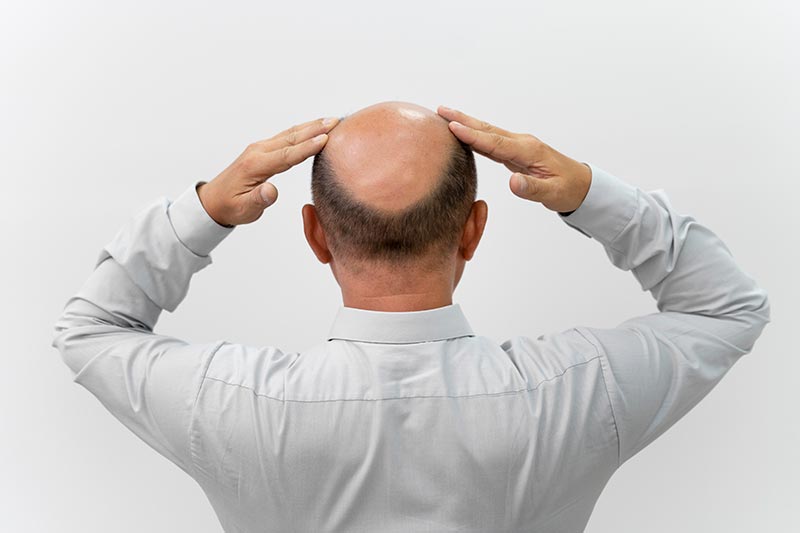
What is a hair transplant? Hair transplant treatment in Side, Manavgat: Modern solutions and application methods
Many people with hair loss are looking for a permanent solution. In a hair transplant,…
23/07/2026
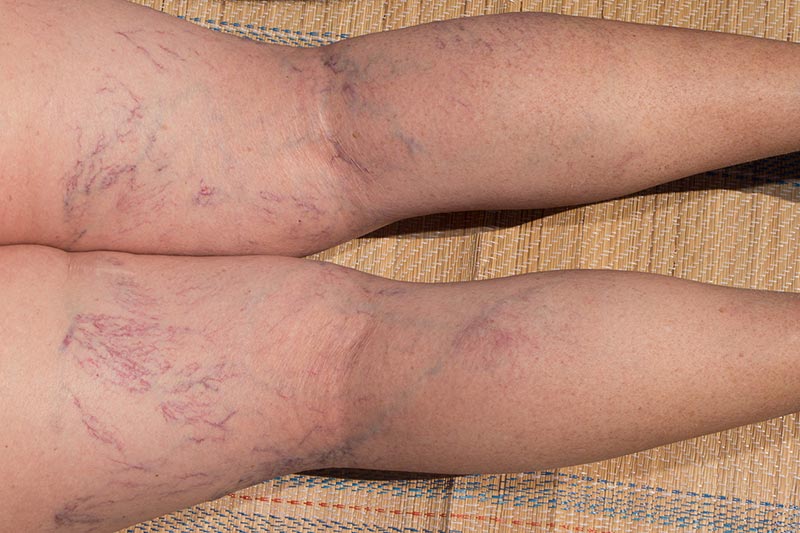
What are varicose veins? Treatment options and modern therapies in Antalya
Varicose veins are a common venous disorder caused by the dilation and twisting of veins…
04/07/2026
Skin Rejuvenation and Laser Hair Removal Options
Modern aesthetic treatments, thanks to non-surgical aesthetic techniques, make it possible to preserve the youthful…