




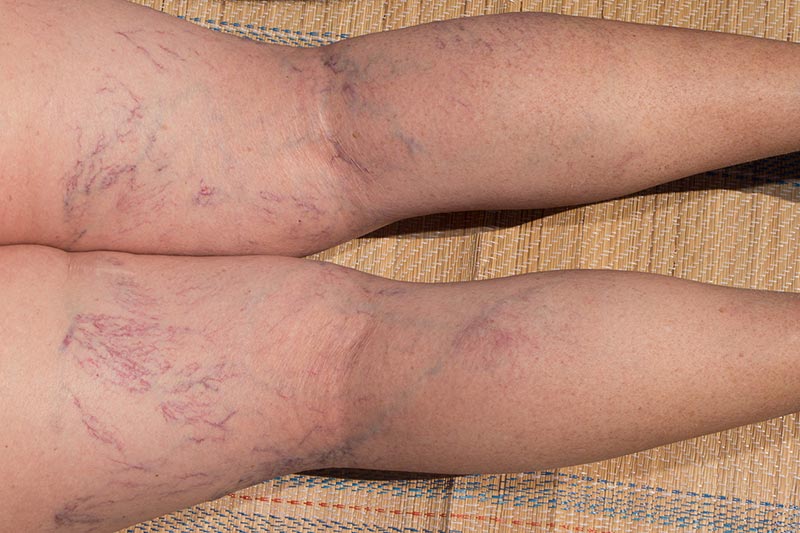
Varicose veins are a common venous disorder caused by the dilation and twisting of veins in the legs. This condition, resulting from increased blood pressure in the veins, can lead to both cosmetic concerns and physical symptoms such as pain. Varicose veins are more common in people who spend long periods standing and in those with a genetic predisposition.
Antalya offers many modern and effective solutions for treating varicose veins. Current methods such as laser therapy, foam injections, radiofrequency therapy, and adhesive applications allow for the treatment of varicose veins without open surgery. These treatments are less painful and lead to a faster recovery.
This article provides all the essential information about varicose veins: from their definition and symptoms to their causes and treatment options in Antalya. You will also find information on aftercare, specialized centers, and how to prevent varicose veins.
What are varicose veins? Definition and vascular anatomy
Varicose veins are a circulatory system disorder caused by the dilation and swelling of the veins in the legs. They arise from a malfunction of the venous valves and can manifest in various forms.
The role of vascular valves
The veins in your legs transport blood back to the heart against gravity. To perform this vital task, the venous valves function like a one-way valve system. They allow blood to flow upwards but prevent it from flowing backwards.
If the valves of blood vessels are damaged or weakened, they can no longer close properly. In this case, the blood flows backward and pools in the vessels. The pooled blood exerts pressure on the vessel walls, causing the vessels to eventually dilate.
A malfunctioning venous valve leads to a disruption of the vascular structure and to vein torsion. This makes swollen, blue or purple veins visible directly under the skin.
Origin and types of varicose veins (capillary, reticular, large veins)
Varicose veins can be divided into three main types. Each type has its own characteristic appearance.
Capillaries are dilated small blood vessels on the skin’s surface. They appear as red or purple lines and are usually painless. They are also known as spider veins.
Reticular varicose veins are larger than capillary varicose veins but smaller than large varicose veins. They are bluish-green and usually 2–3 millimeters thick. They commonly occur on the sides of the legs and in the popliteal fossa (behind the knee).
Large varicose veins are the most noticeable and swollen veins. They are thicker than 4 millimeters and appear as bulges under the skin. These twisted and knotted veins often cause pain and discomfort.
Genetic predisposition and risk factors
If varicose veins run in your family, your risk of developing them yourself is increased. Genetic predisposition is one of the most important causes of varicose veins. If your mother or father has varicose veins, your risk of developing them as well can rise to as high as 90%.
Advanced age is a significant risk factor. With increasing age, the walls and valves of blood vessels weaken. The incidence of varicose veins rises sharply in people over 50.
During pregnancy, hormonal changes and increased blood volume dilate the blood vessels. The risk of varicose veins increases with each pregnancy. Additionally, the growing baby puts pressure on the blood vessels in the legs.
Prolonged standing or remaining motionless are also risk factors. Women are more frequently affected than men. Being overweight accelerates the development of varicose veins because it puts additional pressure on the veins.
Symptoms and early detection processes in varicose veins
The symptoms of varicose veins usually begin with visible changes in the legs, but also include discomfort such as pain, itching, and cramps. Modern imaging techniques allow for early diagnosis and thus precise treatment planning.
Itching, pain and nighttime cramps
Varicose veins can cause itching in the area of swollen veins in the legs. This itching worsens particularly in the evening or after prolonged standing.
Pain and a feeling of heaviness in the legs are common symptoms of varicose veins. This pain usually worsens towards evening. You can find relief by elevating your legs or resting.
Nighttime leg cramps are a common problem for people with varicose veins. They may experience sudden and painful contractions of the calf muscles while sleeping. These cramps disrupt sleep and negatively impact quality of life.
Swelling may also occur in the legs, especially in the ankles and feet, where fluid may be retained. This swelling is less pronounced in the morning and increases throughout the day.
Aesthetic concerns and emotional impact
Blue or purple, twisted veins are clearly visible under the skin on your legs. Initially, these veins appear as thin lines, but thicken over time and become more prominent.
Aesthetic concerns affect most patients with varicose veins. They may avoid wearing clothing such as short dresses, shorts, or swimwear. They may also avoid social activities.
Varicose veins can lead to feelings of insecurity and limitations in everyday life. This is particularly pronounced during the summer months or vacation periods. Psychological effects are just as important as physical symptoms and influence your treatment decisions.
Diagnosis using Doppler and ultrasound examination
Doppler ultrasound is the most reliable method for diagnosing varicose veins. This test assesses blood flow in your veins and detects any abnormalities in the venous valves. The examination is painless and takes approximately 15 to 20 minutes.
Using ultrasound, your doctor can examine your blood vessels in detail. They can identify which vessels are affected, how dilated they are, and whether blood is still flowing. This information is necessary to determine your treatment plan.
For early detection, you should have a Doppler ultrasound examination immediately if you suspect you have varicose veins. Early intervention is important to prevent the disease from progressing and to reduce the risk of complications. Regular check-ups will help you keep an eye on your vascular health.
Causes and risk factors of varicose veins
Several factors play a role in the development of varicose veins. Genetic predisposition, hormonal changes, and daily lifestyle habits directly influence vascular health.
Genetic heritage and family history
If varicose veins have occurred in your family, you are more likely to develop them yourself. Genetic predisposition is one of the strongest factors in the development of varicose veins.
If your mother or father has varicose veins, your risk is significantly increased. The structure of the vein walls and the function of the vein valves are genetically determined. Therefore, your family history is an important indicator of the development of varicose veins.
Fortgeschrittenes Alter in Verbindung mit genetischen Faktoren erhöht das Risiko. Im Laufe der Jahre verlieren die Wände der Blutgefäße an Elastizität und die Venenklappen werden schwächer. Die Häufigkeit von Krampfadern nimmt bei Menschen über 50 Jahren deutlich zu.
Hormonal changes and pregnancy
Hormonal changes relax the blood vessel walls and affect blood flow. The risk of varicose veins is highest during pregnancy.
The development of varicose veins increases during pregnancy for the following reasons:
- Increased blood volume puts pressure on the blood vessels
- The hormone progesterone softens the walls of blood vessels.
- The growing uterus puts pressure on the veins in the legs
- The risk increases with each pregnancy.
Similar effects occur in women undergoing hormone therapy. Birth control pills or menopausal treatments can alter vascular elasticity.
Lifestyle: Lack of exercise and its professional impacts
Standing for more than four hours a day triples the risk of developing varicose veins. Occupation and activity level play a crucial role in vascular health.
Teachers, sales consultants, and healthcare workers who have to stand for long periods are particularly at risk. When the calf muscles are inactive, their pumping action decreases, and blood pools in the veins.
Office workers are also at risk. Prolonged sitting slows down blood circulation in the legs.
Regular exercise protects vascular health:
- Walking and cycling strengthen the leg muscles.
- Muscle movements help pump blood
- Physical activity helps with weight control and reduces pressure on blood vessels..
Excess weight puts additional strain on the veins in the legs. Obesity is a major factor that accelerates the development of varicose veins.
Related Posts
09/08/2026
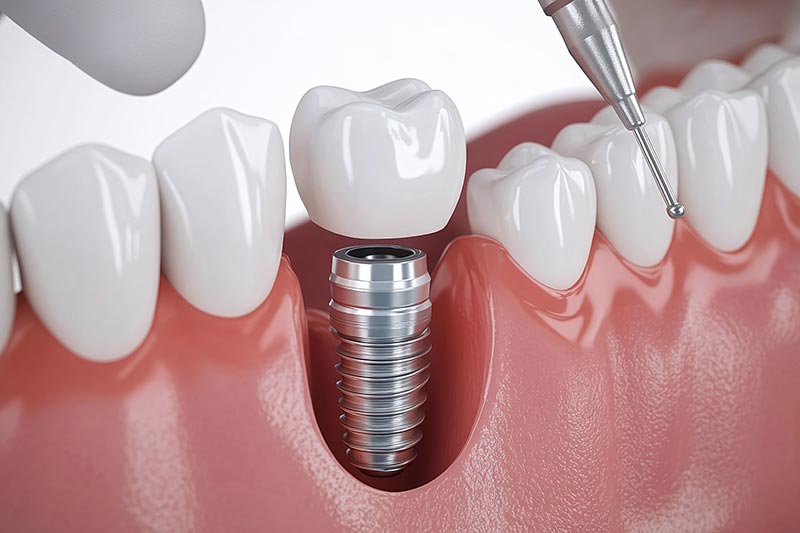
What are dental implants in Antalya? Basic concepts
Dental implants are a treatment method in which a titanium screw is inserted into the…
06/08/2026
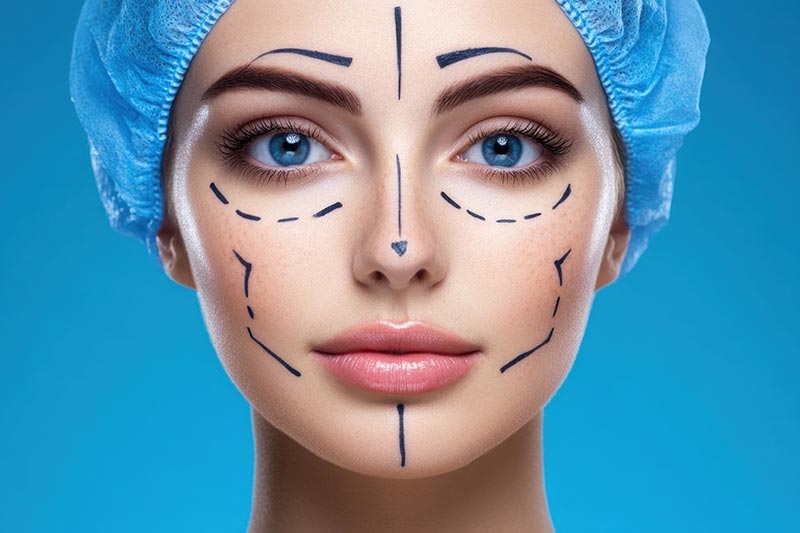
Cosmetic Surgery: A Comprehensive Guide
Augmentation is a collective term for aesthetic procedures performed to compensate for volume loss in…
26/07/2026
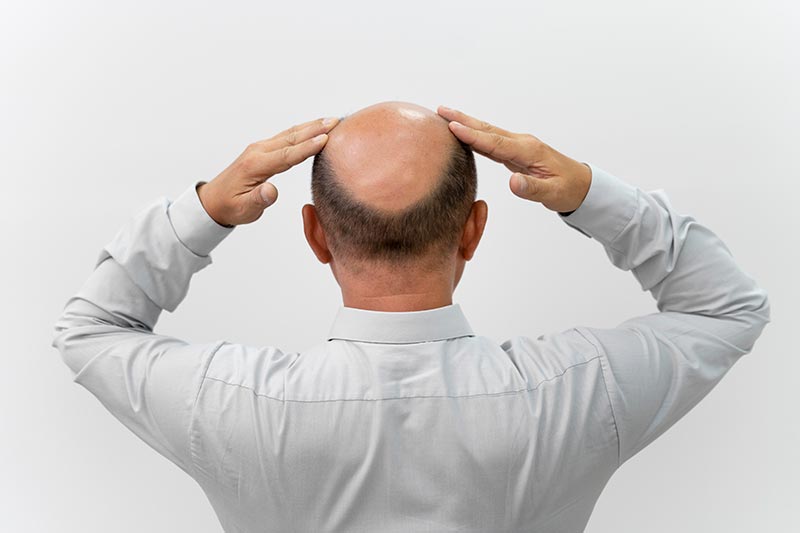
What is a hair transplant? Hair transplant treatment in Side, Manavgat: Modern solutions and application methods
Many people with hair loss are looking for a permanent solution. In a hair transplant,…
04/07/2026
Skin Rejuvenation and Laser Hair Removal Options
Modern aesthetic treatments, thanks to non-surgical aesthetic techniques, make it possible to preserve the youthful…