



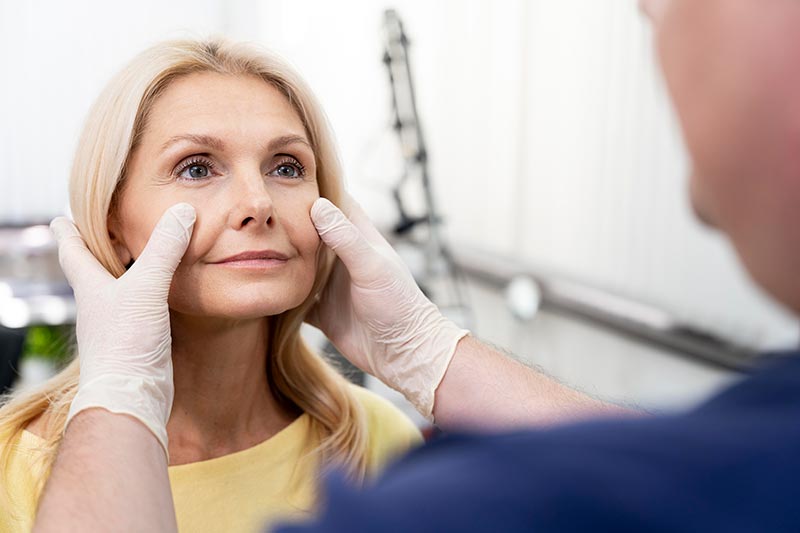
Aesthetic surgery is a subspecialty of medicine that aims to improve appearance and boost self-confidence. This broad field not only addresses aesthetic concerns but can also positively contribute to quality of life. This section provides an overview of the fundamentals of aesthetic surgery, commonly pursued aesthetic goals, and current developments in this field.
Aesthetic surgery is a specialty that applies medical and surgical techniques for aesthetic purposes. This is not limited to shaping the face and body, but also includes reducing the signs of aging, adjusting body proportions, and correcting various physical imperfections. Therefore, aesthetic surgeons must possess both surgical skills and a strong understanding of aesthetics. Understanding the patient’s expectations and setting realistic goals is a crucial step toward a successful outcome.
The aesthetic goals underlying aesthetic surgery are diverse. Some of them are the following:
- Aesthetic facial surgery: This category includes procedures such as rhinoplasty (nose correction), macrocephalofascial correction (chin and temple correction), blepharoplasty (eyelid correction), facelift, and brow lift. The goal of these procedures is to make facial features appear more harmonious and youthful.
- Breast aesthetics: The shape and size of the breasts can be altered through procedures such as breast augmentation, breast reduction, and breast lift. The goal of these procedures is to help the patient achieve an appearance that harmonizes with her body proportions and meets her wishes.
- Body aesthetics: Body contours can be improved through procedures such as liposuction, abdominoplasty (tummy tuck), and arm and leg lifts. This allows fat deposits to be removed and firmer skin to be achieved.
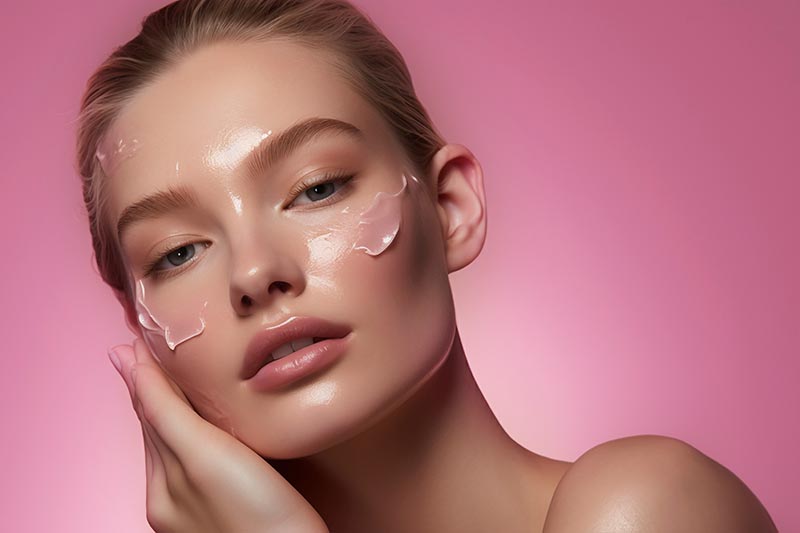
- Skin treatments: Botox, fillers (dermal fillers), laser hair removal, skin peels and other non-invasive procedures are used to reduce wrinkles, improve skin tone and support overall skin health.
Various techniques and methods are available to achieve these aesthetic goals. The most suitable approach depends on the individual needs, expectations, and general health of the patient. In addition to surgical procedures, minimally invasive techniques and non-invasive skin treatments are enjoying increasing popularity today.
Cosmetic surgery is constantly evolving. New technologies, surgical techniques, and material improvements enable safer and more effective results. For example, robotic surgery is used for more precise and controlled procedures. Advances in regenerative medicine also open up new perspectives in areas such as skin rejuvenation and filler treatments. Individual beauty ideals and aesthetic expectations also change over time. Therefore, it is essential for cosmetic surgeons to adapt to these changes and keep pace with current developments. The choice of the most suitable and safest procedure for the patient is based on scientific data and clinical experience.
Popular lip enhancement techniques: fillers, Botox and more
Aesthetic lip treatments have become increasingly popular in recent years. Various techniques are available to achieve the desired look, with each method delivering different results. Lip fillers, Botox injections, and other procedures can help improve the shape, volume, and overall appearance of the lips. In this section, we will take a closer look at the most common lip aesthetic techniques.
Lip fillers: volume and shape improvement
Lip augmentation is one of the most common cosmetic procedures performed on the lips. It is typically done with hyaluronic acid, a natural component of the skin that retains moisture. Lip injections are used to add volume, define the lips, or correct asymmetries.
Lip augmentation is usually performed under local anesthesia and only takes a few minutes. The amount of filler needed is determined individually according to the patient’s wishes and needs. Slight swelling and redness may occur after the treatment, but these usually subside within a few days. The effects of lip augmentation typically last 6 to 12 months and are gradually broken down by the body over time.
Advantages of lip fillers:
- Delivers fast results.
- Ensures a natural appearance.
- Helps correct lip asymmetries.
- Makes lips appear fuller and more attractive.
Disadvantages of lip fillers:
- The effects are temporary.
- Side effects (swelling, redness) may occur.
- Requires professional application.
Correction of the lip area and upper lip with Botox
Botox is another popular cosmetic procedure, used particularly for reducing fine lines around the lips (fatty wrinkles) and lifting the upper lip. Botox works by blocking communication between nerves and muscles, thus causing them to relax.
Fine lines and wrinkles around the lips are a natural part of the aging process. However, Botox injections can significantly reduce their appearance. A drooping or asymmetry of the upper lip can also be corrected with Botox. The procedure is usually very quick and does not require local anesthesia.
Results that can be achieved with Botox:
- Reduction of fine lines around the lips.
- The upper lip area becomes more clearly defined.
- A younger and more dynamic appearance.
- Reduction of laugh lines.
Other lip aesthetic techniques
Besides lip fillers and Botox, there are other techniques for lip aesthetics. These include:
- Electrolysis: Used for the permanent removal of unwanted hair in the lip area.
- Audio frequency lifting: Helps improve skin tone and elasticity in the lip area.
- Laser lifting: Used to reduce fine lines and wrinkles on the skin.
Each of these techniques offers solutions tailored to different needs and expectations. Experts choose the method individually based on the patient’s situation and goals. Aesthetic lip procedures can boost self-confidence and improve overall appearance. However, as with all aesthetic procedures, it’s important to note that results vary from person to person and potential risks exist. Therefore, a thorough consultation and obtaining an expert opinion before the procedure are essential.
Botox for anti-aging treatment: Mechanism of action and expectations
Botox is one of the best-known and most widely used methods in cosmetic surgery. However, there is a growing understanding that Botox is not only an aesthetic procedure, but also plays an important role in combating the signs of skin aging. In this section, you will learn in detail how Botox works, which signs of skin aging it is effective against, and what realistic expectations exist.
What is Botox and how does it work?
Botox is a pure form of botulinum toxin. This toxin temporarily inhibits muscle movement by blocking nerve compression. It is typically injected into specific areas of the skin using fine needles during cosmetic procedures. These injections reduce tension in the target muscles, thus diminishing the appearance of wrinkles caused by these muscles. Botox effectively prevents the formation of lines caused by expression lines. For example, forehead wrinkles, wrinkles around the eyes (brow lines), and marionette lines (also known as “zebra lines”) can be treated with Botox.
Against which signs of skin aging is it effective?
Botox primarily targets the signs of skin aging that are related to muscle movement. These signs include:
- Forehead wrinkles: Vertical lines that appear when frowning or raising the eyebrows can be reduced with Botox.
- Forehead wrinkles: Vertical lines that appear when frowning or raising the eyebrows. • Wrinkles around the eyes (adjacent eyebrow wrinkles): Horizontal lines that appear when we express our eyes, and wrinkles at the outer corners of the eyes, also known as “crow’s beak” wrinkles, can be softened by Botox injections.
- Marionette lines (wrinkles at the corners of the mouth): Wrinkles that appear when we press our lips together or pull them down can be softened with Botox.
- Hairline: Noticeable lines on the scalp can appear fuller through Botox injections.
Botox does not completely eliminate deep wrinkles. However, it can significantly improve their appearance by reducing muscle tension. The effects of a Botox treatment typically last three to six months; during this time, the muscles continue to function normally.
How Botox application in aesthetic surgery works
Botox injections are generally quick and painless. Before the treatment, the skin is prepared and the injection sites are determined. Using fine needles, Botox is injected into the target muscles at the appropriate points within a few minutes. Slight redness or swelling may occur after the treatment, but this usually subsides quickly. Patients are given instructions during the procedure to ensure their comfort. Although Botox injections are not a high-risk procedure, it is important that they are performed by an experienced and qualified physician.
Expectations for Botox treatment
The expected results of Botox treatments can vary from person to person. Generally, Botox softens the appearance of wrinkles, resulting in a younger and more refreshed look. After treatment, patients often notice a brighter and more expressive face. However, it’s important to know that Botox does not completely eliminate deep wrinkles, and the effects are temporary. Initial results are visible within a few days of the first application, with the best results typically appearing after two to four weeks. Botox treatments are individually tailored to each patient’s needs and expectations.
Compared to other cosmetic procedures, Botox is a minimally invasive procedure and generally requires a shorter recovery time. Like any medical procedure, Botox injections carry potential risks and side effects. Therefore, it is important to consult with a dermatologist or plastic surgeon and gather comprehensive information before undergoing Botox treatment.
Related Posts
09/08/2026
What are dental implants in Antalya? Basic concepts
Dental implants are a treatment method in which a titanium screw is inserted into the…
06/08/2026
Cosmetic Surgery: A Comprehensive Guide
Augmentation is a collective term for aesthetic procedures performed to compensate for volume loss in…
26/07/2026
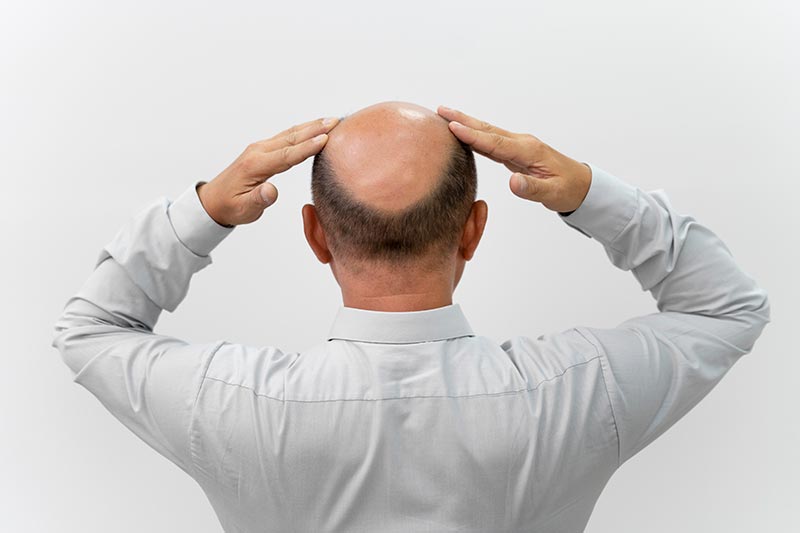
What is a hair transplant? Hair transplant treatment in Side, Manavgat: Modern solutions and application methods
Many people with hair loss are looking for a permanent solution. In a hair transplant,…
23/07/2026
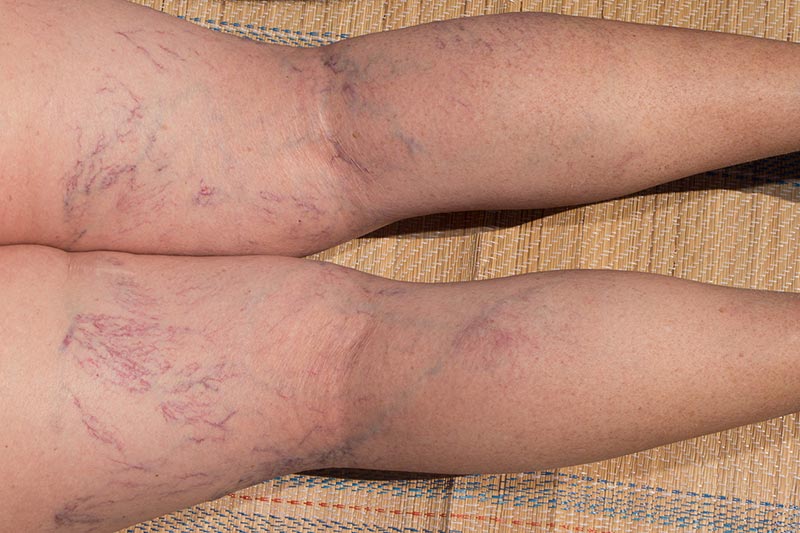
What are varicose veins? Treatment options and modern therapies in Antalya
Varicose veins are a common venous disorder caused by the dilation and twisting of veins…